
Welcome to the Emerging and Pandemic Infections Consortium
Welcome to EPIC – the Emerging and Pandemic Infections Consortium.
EPIC partners play an integral role in infectious disease research, from work that controlled diphtheria and helped eradicate smallpox 100 years ago, to current research in antimicrobial resistance and infection control.
Today, our collective fight against infectious threats, including COVID-19, highly pathogenic avian influenza and mpox, makes clear that there’s never been a more important time to advance EPIC – the Emerging and Pandemic Infections Consortium as a critical hub in the pan-Canadian effort to combat future pandemics.
Building on our momentum in combatting the SARS-CoV-2 virus, EPIC will marshal the advanced research infrastructure and the world-renowned research and training expertise of the EPIC partners to allow an integrated innovative response to infectious diseases.
EPIC is a collaborative initiative among:
- University of Toronto
- The Hospital for Sick Children (SickKids)
- Lunenfeld-Tanenbaum Research Institute
- Sunnybrook Research Institute
- University Health Network
- Unity Health Toronto
These globally-leading institutions will make a difference to preventing the next pandemic and enhancing the impact of the life sciences ecosystem in Ontario.
These are the four pillars of EPIC’s work
Toronto High Containment Facility
Toronto’s only Combined Containment Level 3 (C-CL3) facility for the study of human and animal pathogens has been critical to understanding the viral pathogens and developing therapeutics and treatments. Infectious diseases continue to pose a threat to Canadians’ health and prosperity. Investments in the facility will prepare Ontario and Canada for future pandemics.

Training & Talent
EPIC offers immersive and cross-disciplinary training to a diverse cohort of talent researching infectious diseases, who are ready to work in industry and academia. Hundreds of researchers, clinicians and lab staff will gain access to leading-edge technologies, develop the skills to turn discovery into solutions, and connect Canada to global networks of pandemic surveillance and response.

Transformative Research
EPIC will connect multiple disciplines to address infectious diseases. Insights made possible by state-of-the-art platforms that accelerate the discovery and production of therapies will combine with the expertise of clinicians, engineers, public health experts and scientists to translate treatments to patients and improve their outcomes.

Knowledge Translation
EPIC will play an important role as a knowledge broker. It will create a hub for potential commercialization of novel therapeutics. New researchers at EPIC will be equipped to explain bench science to decision-makers and the public, as well as to translate discoveries into made-in-Canada products and solutions to global health challenges.
EPIC News

The COVID-19 global health emergency has ended. Here’s what U of T experts think.
On Friday, March 5, the World Health Organization declared the end of the COVID-19 global health emergency. We polled faculty members of the Emerging and Pandemic Infections Consortium (EPIC) and the Institute for Pandemics (IfP), two pandemic-focused Institutional Strategic Initiatives at the University of Toronto, to get their perspectives on the WHO’s decision and where we need to go from here.
Boosting immune memory to enhance protection against flu
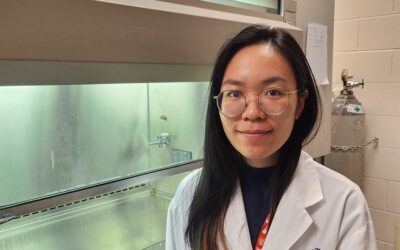
Karen Yeung is leading critical research to understand how our immune systems respond to influenza infection and how we might be able to leverage that knowledge to create a long-lasting, universal flu vaccine. A fourth-year PhD student in the department of immunology at the Temerty Faculty of Medicine at the University of Toronto, Yeung is one of 31 recipients of the inaugural Emerging and Pandemic Infections Consortium (EPIC) Doctoral Awards, which supports outstanding students pursuing infectious disease research.

On the path to malaria elimination, EPIC researchers lead with innovations designed for impact
According to the World Health Organization’s World Malaria Report 2022, 247 million people fell ill with malaria in 2021. In the same year, there were an estimated 619,000 deaths due to the disease, with three out of four deaths in children aged under five. With the right prevention tools and treatments, the WHO’s ambitious targets of reducing global malaria incidence and mortality rates by at least 90% by 2030 can become reality and accelerate progress towards eradication. Getting there requires innovations that have been purposely designed with implementation and impact in mind. Through their work on new diagnostics, vaccines and treatments, EPIC members are doing just that.