

What you need to know about the three fall vaccines, according to U of T experts
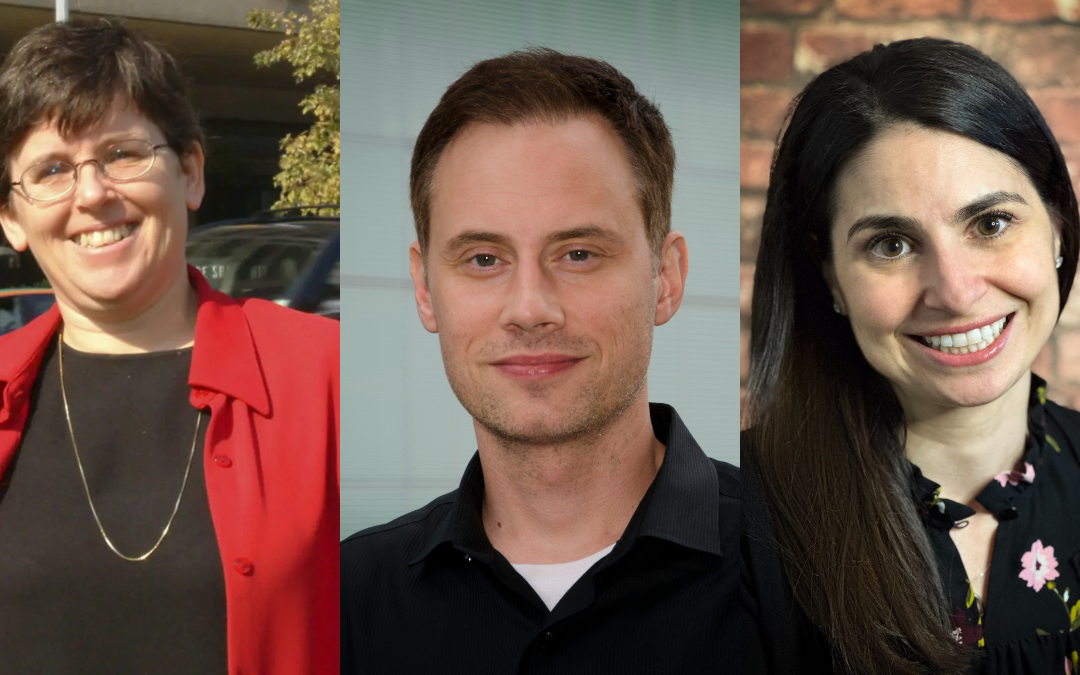
As cold and flu season approaches, Canadians are facing respiratory syncytial virus (RSV), an increase in COVID-19 activity, and influenza — but also have new options to protect their health. To learn more, we spoke with Shelly Bolotin, director of the Centre for Vaccine Preventable Diseases, Shaun Morris, a pediatric infectious disease physician at the Hospital for Sick Children, and Allison McGeer, an infectious disease specialist at Toronto’s Sinai Health.
U of T researchers unveil new preclinical insights into why males are more likely to have severe COVID-19
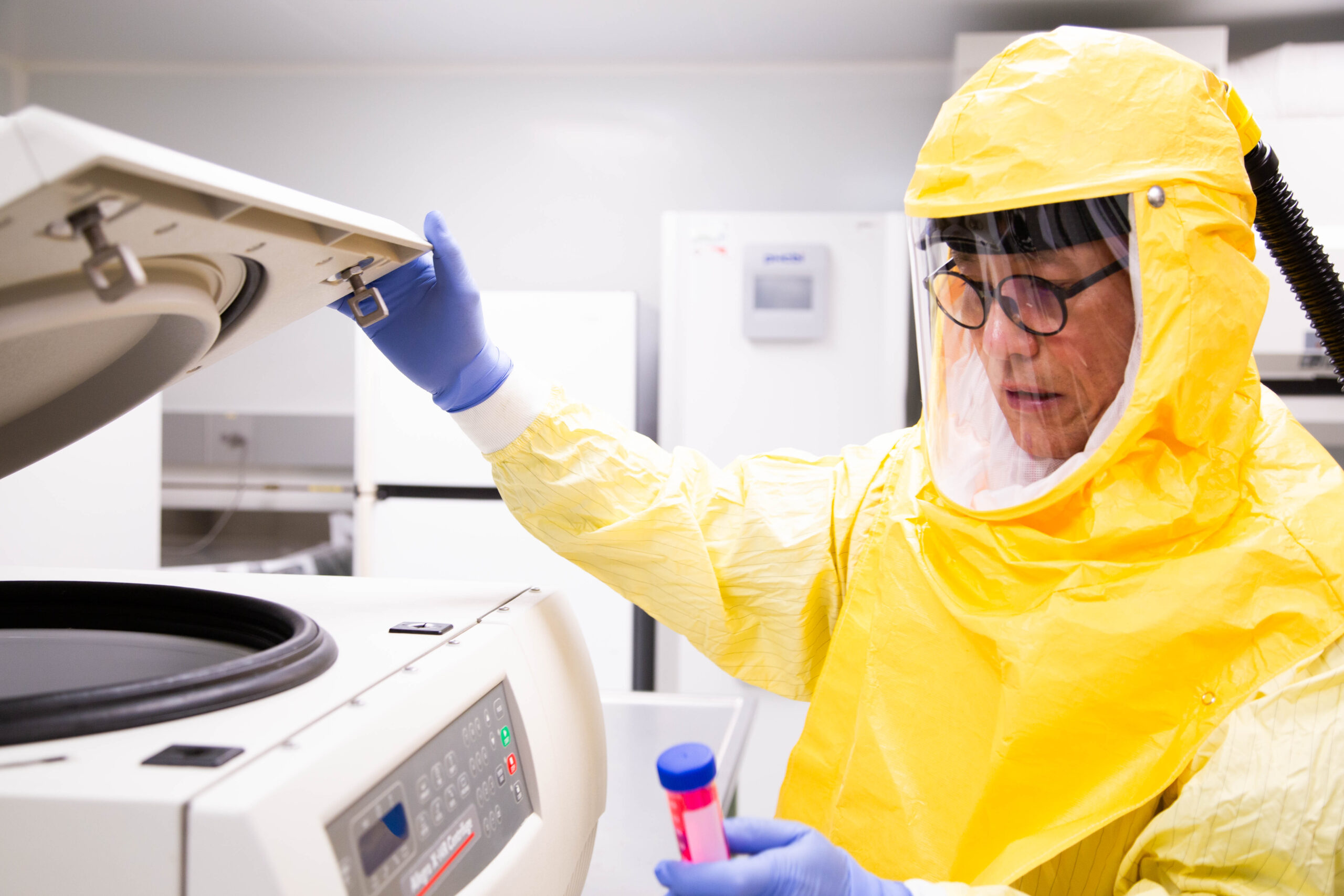
A new study from a team of EPIC members has uncovered the biological reasons underlying sex differences in COVID-19 outcomes and is offering a promising new strategy to prevent illness. Early on during the pandemic, clinicians quickly noticed that males were more likely than females to be hospitalized or admitted to the ICU or to die from COVID-19 despite having similar infection rates. This pattern held true across all age groups and in countries around the world. The research, conducted in mice and published in the journal iScience, points to the ACE2 protein as a key contributor to differences in COVID-19 outcomes between males and females.
The COVID-19 global health emergency has ended. Here’s what U of T experts think.
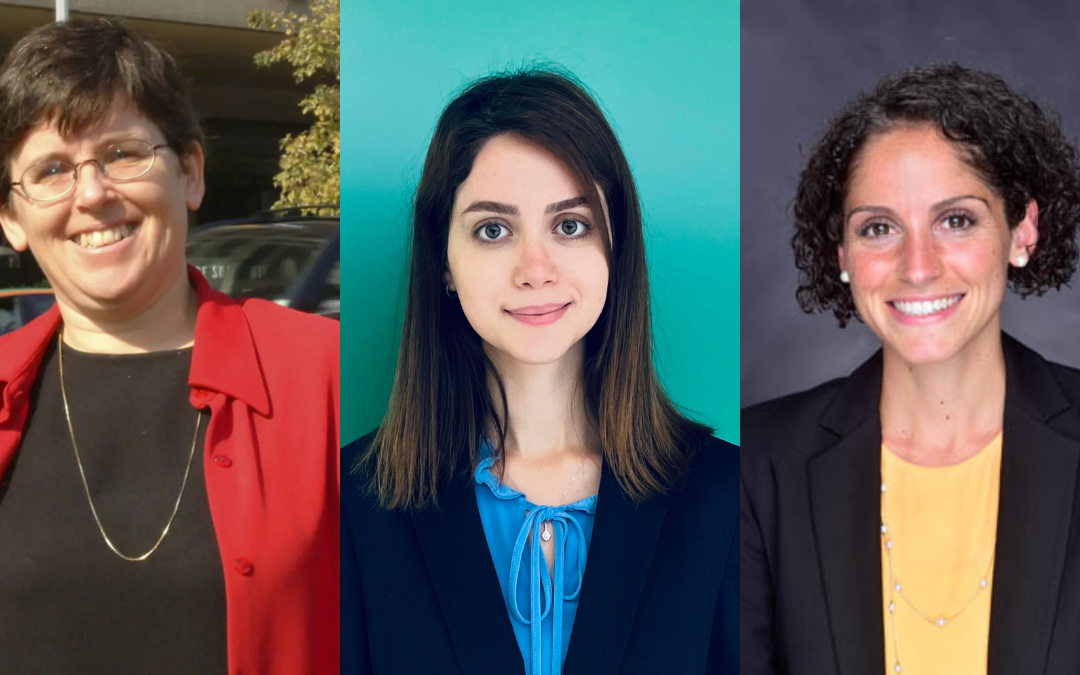
On Friday, March 5, the World Health Organization declared the end of the COVID-19 global health emergency. We polled faculty members of the Emerging and Pandemic Infections Consortium (EPIC) and the Institute for Pandemics (IfP), two pandemic-focused Institutional Strategic Initiatives at the University of Toronto, to get their perspectives on the WHO’s decision and where we need to go from here.
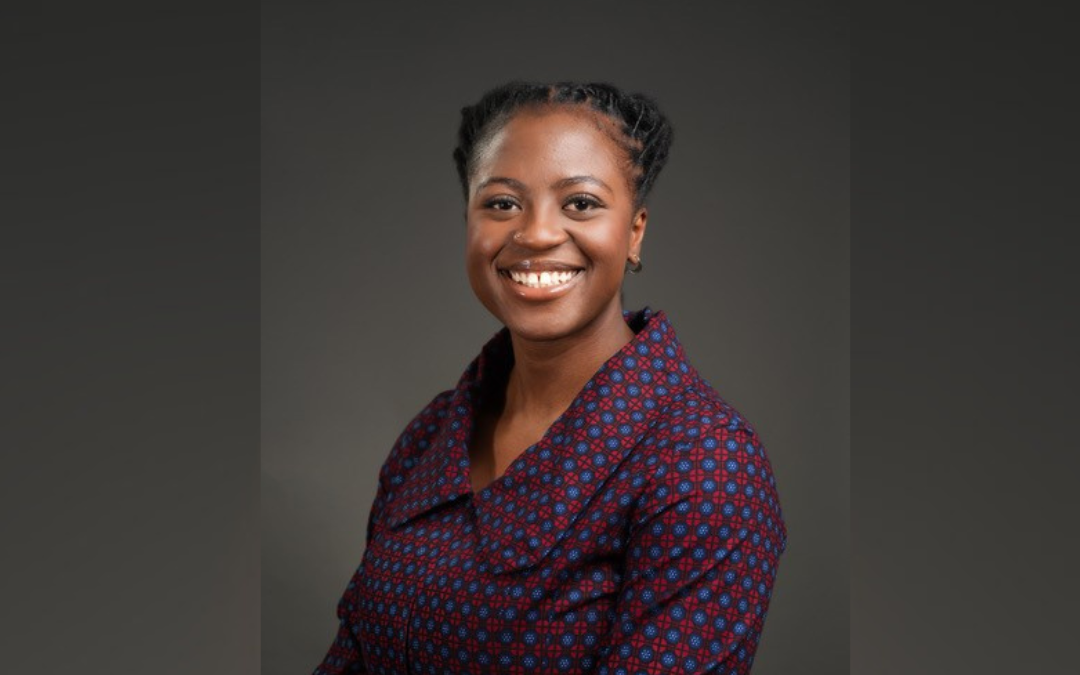
Examining the COVID-19 pandemic through a person-centred lens
As a recipient of the inaugural Emerging and Pandemic Infections Consortium (EPIC) Doctoral Awards, which supports outstanding students pursuing infectious disease research, Afia Amoako is driven by her person-centred ethos to examine the unequal landscape of the COVID-19 pandemic in Toronto. Her goal? To provide a deeper, more nuanced understanding of how people living in this city experienced COVID-19.