
Welcome to the Emerging and Pandemic Infections Consortium
Welcome to EPIC – the Emerging and Pandemic Infections Consortium.
EPIC partners play an integral role in infectious disease research, from work that controlled diphtheria and helped eradicate smallpox 100 years ago, to current research in antimicrobial resistance and infection control.
Today, our collective fight against infectious threats, including COVID-19, highly pathogenic avian influenza and mpox, makes clear that there’s never been a more important time to advance EPIC – the Emerging and Pandemic Infections Consortium as a critical hub in the pan-Canadian effort to combat future pandemics.
Building on our momentum in combatting the SARS-CoV-2 virus, EPIC will marshal the advanced research infrastructure and the world-renowned research and training expertise of the EPIC partners to allow an integrated innovative response to infectious diseases.
EPIC is a collaborative initiative among:
- University of Toronto
- The Hospital for Sick Children (SickKids)
- Lunenfeld-Tanenbaum Research Institute
- Sunnybrook Research Institute
- University Health Network
- Unity Health Toronto
These globally-leading institutions will make a difference to preventing the next pandemic and enhancing the impact of the life sciences ecosystem in Ontario.
These are the four pillars of EPIC’s work

Toronto High Containment Facility
Toronto’s only Combined Containment Level 3 (C-CL3) facility for the study of human and animal pathogens has been critical to understanding the viral pathogens and developing therapeutics and treatments. Infectious diseases continue to pose a threat to Canadians’ health and prosperity. Investments in the facility will prepare Ontario and Canada for future pandemics.

Training & Talent
EPIC offers immersive and cross-disciplinary training to a diverse cohort of talent researching infectious diseases, who are ready to work in industry and academia. Hundreds of researchers, clinicians and lab staff will gain access to leading-edge technologies, develop the skills to turn discovery into solutions, and connect Canada to global networks of pandemic surveillance and response.

Transformative Research
EPIC will connect multiple disciplines to address infectious diseases. Insights made possible by state-of-the-art platforms that accelerate the discovery and production of therapies will combine with the expertise of clinicians, engineers, public health experts and scientists to translate treatments to patients and improve their outcomes.

Knowledge Translation
EPIC will play an important role as a knowledge broker. It will create a hub for potential commercialization of novel therapeutics. New researchers at EPIC will be equipped to explain bench science to decision-makers and the public, as well as to translate discoveries into made-in-Canada products and solutions to global health challenges.
EPIC News

EPIC Researcher Mobility Awards enable immersive international training experiences for doctoral students and postdoctoral fellows
The Emerging and Pandemic Infections Consortium has announced the eight recipients of its inaugural Researcher Mobility Awards. These awards provide financial support to doctoral students and postdoctoral fellows to undertake research training or to complete collaborative field work outside of Toronto.
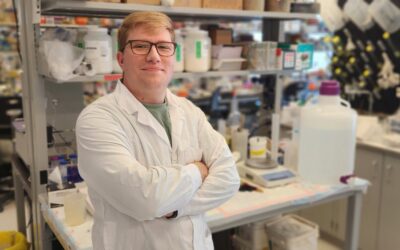
Landon J. Getz receives inaugural GSK EPIC Convergence Postdoctoral Fellowship in Antimicrobial Resistance
EPIC is pleased to announce Landon J. Getz as the recipient of the inaugural GSK EPIC Convergence Fellowship in Antimicrobial Resistance (AMR). Established through a generous gift from GlaxoSmithKline (GSK), the fellowship will support Getz’s innovative and cross-disciplinary research that aims to address the growing threat of AMR through the development of phage therapy.

Member Spotlight: Shelly Bolotin
For this member spotlight, we welcome Shelly Bolotin, an associate professor at the Dalla Lana School of Public Health and in the department of laboratory medicine and pathobiology at the University of Toronto’s Temerty Faculty of Medicine. Shelly is also a scientist a Public Health Ontario and the director of the Centre for Vaccine Preventable Diseases, which aims to catalyze cutting-edge research and education that maximizes the health benefits of immunization for everyone.