
Welcome to the Emerging Pathogens & Infectious Diseases Consortium
Welcome to EPIC – the Emerging Pathogens and Infectious Diseases Consortium.
EPIC brings together researchers, clinicians, and institutions across the University of Toronto and its hospital partners to advance infectious disease research and build lasting resilience against emerging threats.
This work builds on a long legacy: EPIC partners have played an integral role in infectious disease research for a century, from work that helped control diphtheria and eradicate smallpox, to today’s front-line research in antimicrobial resistance and infection control. Our collective response to COVID-19, highly pathogenic avian influenza, and mpox makes clear there’s never been a more important time to advance that work, from emerging pathogens and antimicrobial resistance to health inequities and public trust.
Building on this momentum, EPIC marshals the advanced research infrastructure and world-renowned research and training expertise of our EPIC partners to deliver an integrated, innovative response to the infectious disease challenges facing communities today and in the future.
Seven EPIC research clusters

Antimicrobial resistance
Protecting the effectiveness of the medicines we depend on.

Chronic infections and long-term sequelae
Addressing the long-term burden of infections that don’t resolve.

Emerging and re-emerging pathogens
Detecting and responding to new and re-emerging threats before they spread.

Health inequities
Ensuring infectious disease research and response reach everyone, equitably.

Health systems resilience
Building health systems that bend, not break, under infectious threats.

Misinformation, disinformation and public trust
Strengthening public trust through clear, credible information.

Sepsis and acute infections
Improving detection and treatment when every minute counts.
EPIC News
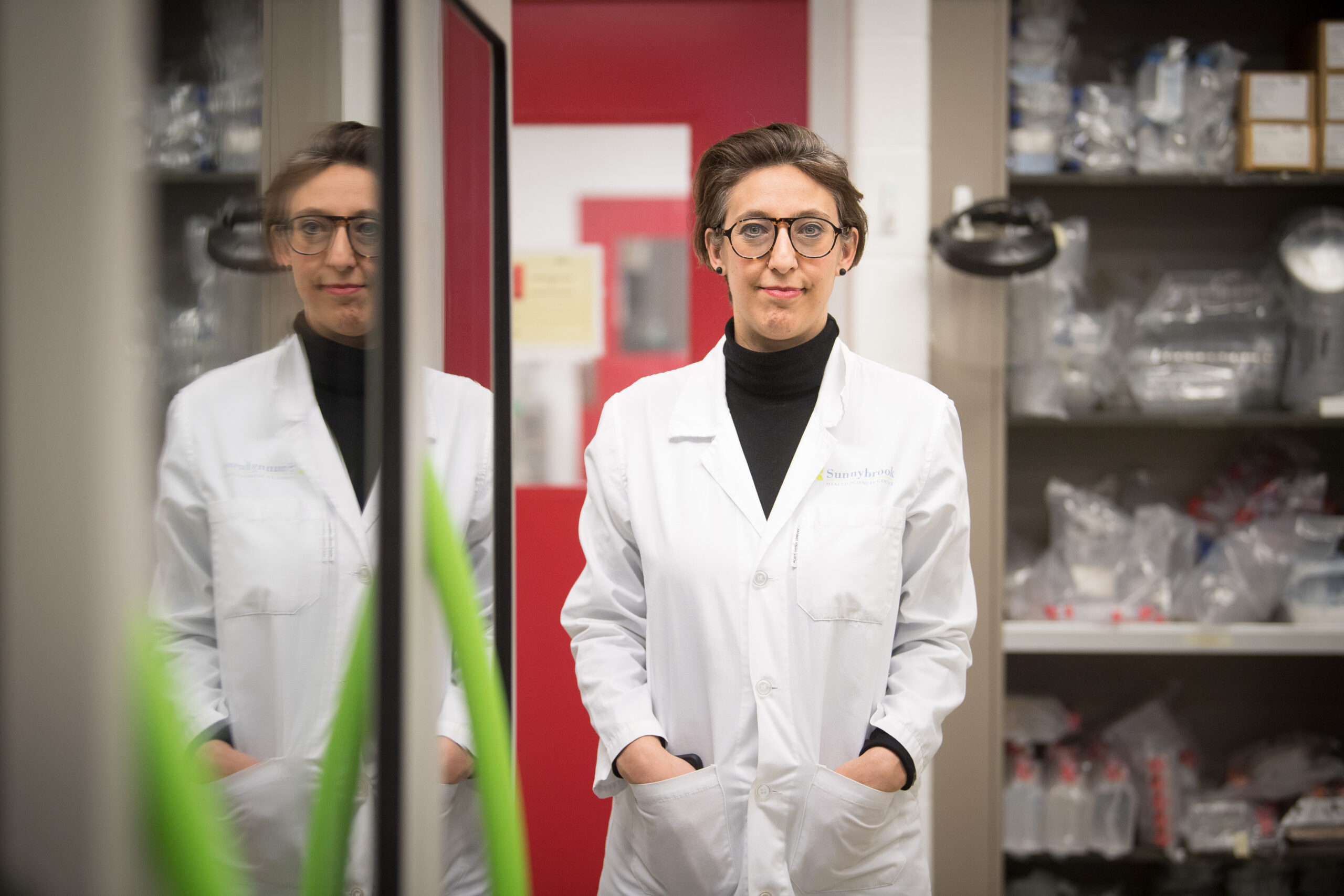
How worried should I be about bird flu? An expert Q&A with Samira Mubareka
Last week, the city of Brampton confirmed that two dead waterfowl found in the city had tested positive for highly pathogenic avian influenza (HPAI) virus, or bird flu. According to the latest estimates from the Canadian Food Inspection Agency, over 7 million birds in flocks across the country have been impacted by HPAI, including nearly 750,000 in Ontario. To learn more about the bird flu outbreak and what we can do to prepare, we spoke to Samira Mubareka, an infectious diseases physician, medical microbiologist and scientist at Sunnybrook Research Institute.

World TB Day: How EPIC researchers are creating better vaccines for tuberculosis and uncovering its financial burden for patients and families
Tuberculosis (TB) remains one of the world’s most deadly infectious threats and a significant global health challenge. The World Health Organization estimates that in 2021, 10.6 million people became sick with the disease and 1.6 million people died of TB, which is both preventable and curable. Learn more about how members of the University of Toronto’s Emerging and Pandemic Infections Consortium are working to tackle TB from multiple angles, from creating better vaccines to gaining a deeper understanding of TB’s financial toll on patients and families.

Member Spotlight: Sarah Haines
For this month’s member spotlight, we caught up with Sarah Haines, an assistant professor in the department of civil and mineral engineering in the Faculty of Applied Science and Engineering. Sarah’s research is on building science and indoor environmental quality with a particular focus on indoor air quality and the indoor microbiome. We also talk about her work with Indigenous communities to improve housing and drinking water quality.


